Blog
Who actually made your clothes – and why that is a hard question to answer

“The UK imports around £20 billion worth of clothing from countries around the world every year. Around 25% of this is estimated to come from China, but Bangladesh, India, Turkey, and other European countries such as Italy also supply significant quantities.” – Ethical Consumer, 2025
Every piece of clothing tells a story — not just of style, but of origin and craftsmanship. However, have you ever wondered why answering the simple question, “who made my clothes?” feels so complicated?
The truth is, the current global system was designed to be a bit of a mystery. The complex web used to create the fashions we love makes it incredibly difficult to pinpoint exactly who is responsible for each and every stitch.
So, let’s look beyond the label. Not only should we ask ourselves “who made our clothes?”, but we must also understand why that answer is so often hidden from us.
The curious maze - understanding the fashion supply chain
For most of us, the fashion supply chain is a bit of a puzzle. While clothing labels indicate a country of origin, they rarely tell the full story of the journey that garment took before reaching your wardrobe.
Think of it like a global relay race. Making a single T-shirt often involves several different stops across the globe: Raw materials → Spinning & weaving → Dyeing & finishing → Cut & sew → Shipping & retail.
This is why a “Made in Italy” label isn’t always as straightforward as it seems. Because a garment might be finished in Italy, but the cotton was grown in one country, the buttons sourced from another, and the initial sewing handled in a third. Most fashion brands don’t actually own the factories they use, which makes it hard for them to have a direct line of sight to everyone involved in the process.
Why we care: the push for radical transparency
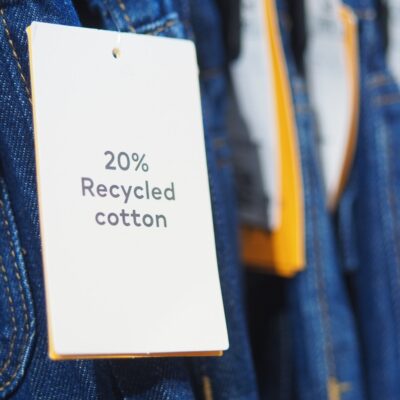
Why does this “relay race” matter so much in the context of sustainable fashion? It comes down to transparency — which is really just a fancy word for being completely open about how things are made.
If we want to champion a truly circular economy—one where clothes are kept in use and out of landfills—we have to be honest about where the system is failing. By pushing for a transparent supply chain, we gain the clarity needed to make better decisions and support the brands that are actually doing the right thing.
What we can do: choosing ethical fashion brands
We can’t expect ourselves to track every thread, especially when many brands struggle to do so themselves. However, we can vote with our wallets.
By choosing brands that are open about their sourcing, we signal to the industry that honesty is a non-negotiable requirement. Choosing conscious fashion is the most powerful way to show brand owners that we mean business; we want to know that our clothes are created in a way that is fair to both people and the planet.
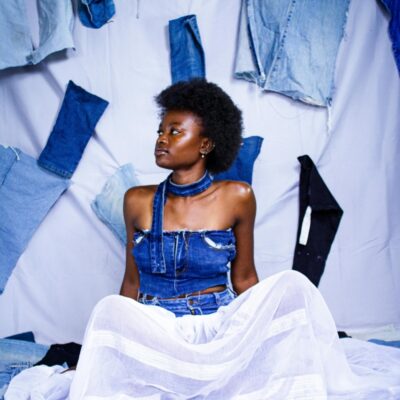
At RE-RUNN, we believe in radical honesty. We want you to see the care, time, and craftsmanship that goes into every piece. Our materials don’t come from unknown origins; instead, we rescue high-quality items that have been discarded and give them a second life.
Whether it’s a pair of revived jeans for a weekend hangout or a stylish denim apron for your creative projects, our mission is to blend eye-catching design with fair, sustainable practices.
Shop the RE-RUNN collection here.